Diversion Dive Travel
Destinations
  • Australia
    • Australia
  • Southeast Asia
    • Indonesia
      • Bali
      • Lombok
      • Komodo Area
      • Sulawesi
      • West Papua
      • Kalimantan
    • Papua New Guinea
    • Philippines
      • Bohol
      • Boracay
      • Cebu
      • Mindoro & Luzon
      • Negros
      • Palawan
    • Malaysia
    • Thailand
  • Micronesia
    • Palau
    • Yap
    • Truk (Chuuk)
  • South Pacific
    • Fiji
    • Solomons
  • Red Sea
    • Egypt
  • Indian Ocean
    • Maldives
  • Central & South America
    • Cocos / Costa Rica
    • Galapagos / Ecuador
    • Malpelo / Panama
    • Mexico
  • Cold Water Diving
    • Arctic & Antarctic
    • Canada & Alaska
Bookings & Inquiries
  • Inquiry/Booking
  • Booking Terms
  • Travel Insurance
  • Payment
  • Contact Us
Specials & Events
  • Specials & Discounts
  • Group Travel
  • Events
News
  • Latest Newsletter
  • Newsletter Sign Up
  • Twitter
  • Diversion(B)log
Catalogues & Resources
  • Print Brochure
  • Travel Resources
Multimedia
  • Photo Contest
  • E-cards
  • Screensavers
  • Wallpaper
About Us
  • Welcome
  • Our Team
  • Our Mission
  • Marine Conservation
  • Partner Agencies

Papua New GuineaTravel hints

Google Maps
Inquiry Print
Specials
Printed version Papua New Guinea close
1. Select general infos
 Diving Papua New Guinea
 Country information Papua New Guinea
 How to get there Papua New Guinea
 Travel hints Papua New Guinea
2. Select products
Liveaboards select all
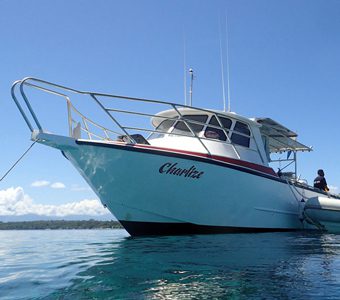
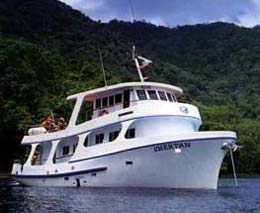
Chertan Prices Dates
Febrina Prices Dates
Golden Dawn Prices Dates
Star Dancer Prices Dates
Prices
Dates
Hotels select all
Kabaira Beach Hideaway Prices
Lissenung Island Resort Prices
Loloata Island Resort Prices
Rapopo Plantation Resort Prices
Tawali Resort Prices
Tufi Dive Resort Prices
Walindi Plantation Resort Prices
Prices
Dive Centers select all
Dive Loloata Prices
Kabaira Dive Center Prices
Lissenung Diving Prices
Tawali Dive Center Prices
Tufi Dive Prices
Walindi Dive Center Prices
Prices
Landtours select all
Landtours Rabaul Prices
Prices
3. Select print options
Include images ?
 with images
 without images
Font size
 small     large   
 standard     extra large   
close
Best time to travel and dive in PNG
Weather differs from region to region in PNG. Mostly it's hot with high humidity all year round. Local climate zones vary due to the high mountain ranges in the centre of the country. The rainy season generally goes from December through to March; dry season is May through October. This does not mean that it is constantly raining as the Southern Coasts of the mainland & New Britain experience different weather patterns at that time of the year. The live aboard operators offer great dive expeditions in a variety of locations at different times of the year throughout PNG. They chose their locations according to the best prevailing weather conditions at the time, so you can be assured of great diving any time.

Air temperatures along the coast are fairly constant and range between 28°C (84°F) and 32°C (92°F). Water temperatures are ranging between a low of 23°C (75°F) (July-August) and 27°C (82°F) (December/January). Temperatures in the highlands are ranging around 20°C (66°F), with relatively low humidity.

Madang: November - May: Showers with occ. Thunderstorms
New Ireland: November - April: Rainy Season in the North of the Islands
New Britain: November - April: Rainy Season in the North of the Islands May - October: Rainy Season in the South
Milne Bay: Very unpredictable February to March and September are usually the best months for diving
Sepik: July - November Dry season, wet month December to April
Highlands: November - April: Rainy season, but very comfortable. Usually on 3000 to 8000 ft temperatures are very moderate to cold at night.
Port Moresby: May - October: dry, windy and dusty Port Moresby, the capital, is situated on a narrow dry belt. 20km further inland the climate is already much more humid again.
Health
With all travels into tropical climate you should have an active immunisation against tetanus and a current polio protection.

Papua New Guinea is a malaria zone. Anti malarial precautions are highly recommended.
Malaria is transmitted by a certain type of mosquito. Avoidance of mosquito bites (e.g. by wearing long sleeved shirts and trousers at dusk and dawn) should be an important part of your risk minimisation strategy. Places with swampy grounds are more prone to harbour the disease than dry, urban areas.

Please check with a physician with experience in tropical diseases on the type of prophylactic you should use and ask: Is it compatible with diving? What are the known side effects?

There are a number of drugs on the market which reduce the risk of infection. Still, there is no known way to exclude this risk 100%. Some popular prophylactics are:

Doxycycline - sometimes in combination with Maloprin is widely prescribed by doctors in Australia.
Malarone - This drug is very effective and more expensive but so far we are not aware of any major side effects reported.
Lariam - was very popular in the 1990s. It should be avoided as it has been proven to cause severe side effects.

Medical kit suggestions:
- Analgesic
- Insect repellent
- Anti-seasick medicine
- Sun tan lotion
- Band aids (some large ones)
- Sunburn Cream
- Ear Drops- alcohol / vinegar base. Daily use will prevent outer ear infections.
- Antibiotic ointment for coral cuts. See your physician.
Currency
The currency of Papua New Guinea is the Kina.
International credit cards are accepted in major hotels and dive resorts but not generally in small towns or on local markets.
Departure taxes
All departure taxes from PNG are included in your international flight ticket.
Photography & electricity
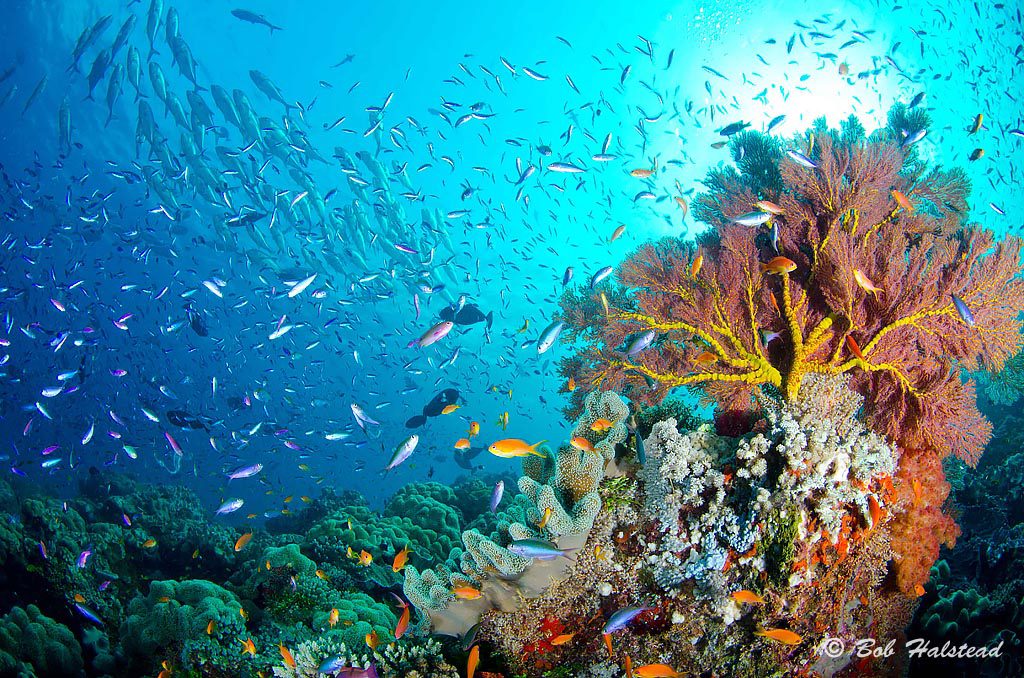
Photography is the most popular underwater objective of divers on our trips. You will be diving in some of the most photogenic waters of the world. Experienced photographers will find reefs, fish life and visibility absolutely excellent for stills, video and film. Bring all supplies such as batteries, memory cards, etc. with you as such supplies are usually not available, or very expensive.

Electrical Power is on 220-240V. Some operators offer 110V. Electrical plugs are to the Australian three pin Standard.
Certification requirements & dive gear hire
All scuba divers must be formally certified. There are two good reasons for this: First our trips offer such excellent diving that the time involved in learning basics is wasted. The first several hours of Scuba Diving really demand all of your attention to become familiar with the skills and the equipment being used. Second: Many of the dive sites and conditions in PNG are of an advanced nature.

Please remember to bring your certification card with you. All divers must be certified in order to dive. You will be requested to present your certification card before being allowed to dive.

Dive operations in PNG offer the possibility to hire dive equipment at extra cost. Please email us for advice. Tanks, weights and air fills are included in your pre-purchased dive packages.
Divers' insurance
All dive operators promoted by Diversion Dive Travel adhere to very high standards for safety and equipment. However, due its remote location, dive operators in PNG insist that all divers have current Diver Evacuation & Accident cover. For a nominal yearly membership fee, the DIVERS ALERT NETWORK (DAN) provides year-round diver evacuation and accident cover. For more details on membership and insurance options, please contact your regional DAN office according to your area of residence:

North America: www.diversalertnetwork.org/
Europe: www.daneurope.org/
South-East Asia/Australia/Pacific: www.danasiapacific.org/

Port Moresby has a DAN approved hyperbaric chamber. So quality treatment, in the unlikely event of a diving accident, is available within PNG.
General travel insurance
In view of the heavy cancellation penalties applied to cancelled travel arrangements, Diversion Dive Travel strongly recommends that suitable travel insurance is purchased at the time of booking. A comprehensive Travel Insurance policy covers any losses suffered as a result of cancellation due to medical circumstances, related medical expenses incurred whilst abroad and cover against loss or damage to baggage and personal items.
Clothing suggestions
Bring casual, light and comfortable clothes. The evenings can get relatively cool with a sea breeze so something warm for the evening is recommended. Bring some very light clothing which offers sun protection for trips ashore to some of the villages. If you plan to stay overnight in Port Moresby dress is relaxed and casual, with a shirt with collar, long pants and shoes (not runners) for men and the women dress equally tasteful. It will get you admission to just about everywhere. Bring:
Slacks or other informal dress
Long sleeved shirt
Sweatshirt or jacket or windbreaker
Walking shoes or sandals
T-shirts
Shorts
Swim suits
Sun hat
Tipping
This is a very personal decision, tips are your ways of expressing satisfaction. On boats it is customary to give the tip to the Skipper and ask it be distributed amongst the crew. In resorts you leave the tip with the manager as they usually run Christmas Clubs and other community collections.
Food & beverages
On liveaboards, an honour bar service provides soft drinks, still water, juices, beer, and a selection of wines. Spirits are usually not available on boats due to the high cost of such items in PNG. But passengers are welcome to bring their own duty free spirits. All charges are in US $ aboard the vessel for your convenience and credit cards are also accepted. Resorts do work a room charge system.

If you have any special dietary needs, please let us know, and we will forward this information to the operator. Many food items such as meats and fresh vegetables are difficult to obtain in those remote regions. Meals provided are international cuisine with a lot of local flavours.
Safety
PNG is a fascinating country. Like any other place in the world it has its downsides as well. The bigger cities sometimes catch the headlines for violent crimes and the travel advisories of some countries do warn to take extra caution if you travel to PNG. Crime does exist and occasionally even travellers have fallen victim. However, PNG is not the dangerous place that it is sometimes painted to be. All that is needed is a bit of common sense and respect for local advice. We say this because we have been sending hundreds of travellers to PNG who have all had a safe and enjoyable experience. As a rule of thumb, you are very safe in your resorts, on your dive boats, in hotels and with your tour guide. Use normal caution around airports and in bigger cities, avoid being out at night alone, especially in bigger towns. No problems in resorts or villages.

Papua New Guinea
Diving
Country information
How to get there
Travel hints
Specials
Liveaboards
Overview
Chertan
Febrina
Golden Dawn
Star Dancer
Search dates...
Hotels
Overview
Kabaira Beach Hideaway
Lissenung Island Resort
Loloata Island Resort
Rapopo Plantation Resort
Tawali Resort
Tufi Dive Resort
Walindi Plantation Resort
Dive Centers
Overview
Dive Loloata
Kabaira Dive Center
Lissenung Diving
Tawali Dive Center
Tufi Dive
Walindi Dive Center
Landtours
Landtours Rabaul
Latest Tweets
FEBRINA - Last minute awesome PNG diving 6 days from only AUD 2000: Jun-Aug @ http://t.co/yTgTYais
more...
Festival Time for Divers read the latest Newsletter@ http://t.co/xyEY9JeD
more...
Free Nights at KBR Lembeh in May and June@ http://t.co/yVRdfbFz
more...
Diversion Dive (B)log
How did we ever find pygmy sea horses ?
more...
Trip Report: Matava Resort Fiji Diving the Astrolabe Reef
more...
Privacy Sitemap designed by ScubaVision
© Diversion Dive Travel, 2012